

Introduction
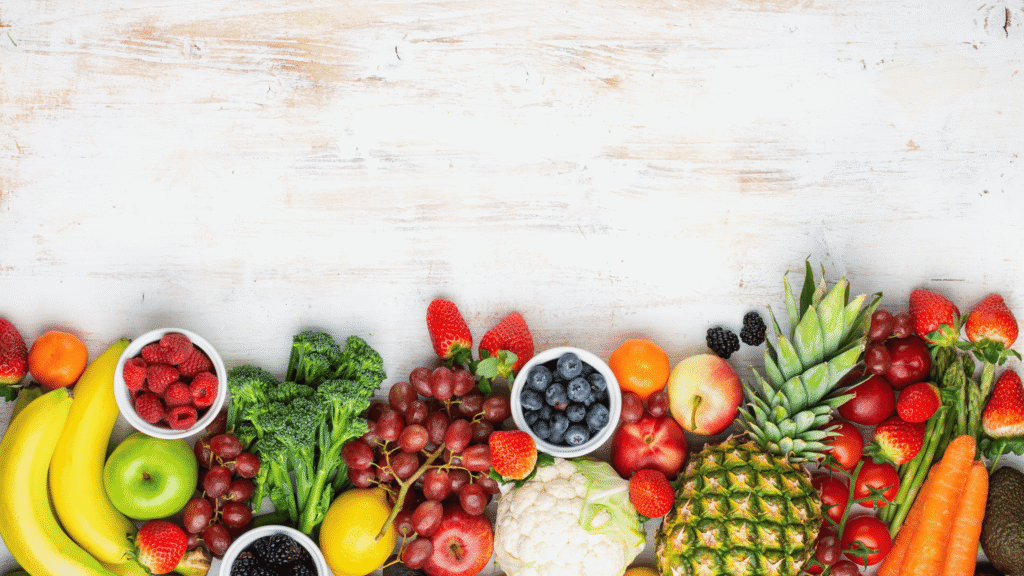
In an age dominated by fast food, sugary snacks, and convenience meals, the simplest change you can make to improve your well-being is also the most natural: eating more fruits and vegetables. Often underestimated, these colorful gifts of nature are packed with essential nutrients, antioxidants, fiber, and water—making them one of the most powerful tools in promoting lifelong health.
Whether you’re trying to lose weight, improve digestion, reduce disease risk, or simply feel more energized, incorporating more plant-based foods into your diet can bring about transformative changes. In this guide, we’ll explore how and why eating more fruits and vegetables can elevate your health, and how to do it in a way that’s practical, sustainable, and enjoyable.
1. Packed with Essential Nutrients
Fruits and vegetables are nutritional powerhouses, providing an abundance of vitamins and minerals that your body needs to function at its best.
Key nutrients commonly found in fruits and vegetables:
- Vitamin C (e.g., oranges, strawberries, bell peppers): Supports immune health and collagen production
- Vitamin A (e.g., carrots, sweet potatoes, spinach): Promotes healthy skin and vision
- Folate (e.g., leafy greens, citrus fruits): Crucial for DNA synthesis and cell growth
- Potassium (e.g., bananas, avocados, potatoes): Helps regulate blood pressure
- Magnesium (e.g., spinach, bananas, legumes): Important for nerve and muscle function
The beauty of eating a variety of fruits and vegetables is that each type offers unique benefits—meaning the more diversity in your produce intake, the more complete your nutrient profile becomes.
2. Boosts Immune Function Naturally
Your immune system relies heavily on the nutrients found in fruits and vegetables to stay strong and responsive. Antioxidants, in particular, play a key role in protecting your body from oxidative stress and inflammation, which are linked to chronic illness and weakened immunity.
Immunity-boosting examples:
- Citrus fruits (rich in Vitamin C): Reduce the duration and severity of colds
- Garlic and onions: Contain allicin, a compound known for its antibacterial and antiviral properties
- Leafy greens: High in antioxidants and phytonutrients that support white blood cell function
By incorporating more plant-based foods, you’re giving your immune system the tools it needs to fight off infections and stay resilient throughout the year.
3. Supports Healthy Digestion
Fruits and vegetables are naturally high in dietary fiber, which helps maintain a healthy digestive system by keeping things moving and supporting the growth of beneficial gut bacteria.
Digestive benefits include:
- Regular bowel movements: Fiber adds bulk and softness to stool
- Gut microbiome support: Prebiotic fibers (found in bananas, onions, garlic, asparagus) feed good bacteria
- Reduced risk of constipation, bloating, and IBS
Plus, the high water content in many fruits (like watermelon, cucumber, and oranges) aids hydration and further supports smooth digestion.
💡 Aim for at least 25–30 grams of fiber per day, with a mix of soluble and insoluble fiber from a variety of plant foods.
4. Helps Manage Weight Naturally
One of the biggest advantages of eating more fruits and vegetables is how it contributes to healthy and sustainable weight management. These foods are naturally low in calories and high in volume, meaning you can eat generous portions without consuming too many calories.
How fruits and vegetables support weight loss:
- High fiber keeps you feeling full longer
- Low energy density allows for larger, satisfying meals
- Nutrient-dense so your body feels nourished, not deprived
- Reduces cravings for processed snacks when consumed regularly
Swapping calorie-dense options like chips or sweets for fresh fruit or veggie-based snacks can significantly lower your overall intake without feeling restricted.
5. Lowers Risk of Chronic Diseases
A diet rich in fruits and vegetables is strongly linked to a reduced risk of many chronic conditions, including:
- Heart disease
- Type 2 diabetes
- Certain types of cancer (e.g., colon, stomach, lung)
- Stroke and high blood pressure
This protective effect comes from a combination of antioxidants, anti-inflammatory compounds, and nutrients that regulate blood sugar, improve cholesterol levels, and protect your blood vessels.
For example:
- Berries and grapes are rich in resveratrol and flavonoids, which benefit heart health
- Tomatoes contain lycopene, an antioxidant associated with reduced cancer risk
- Cruciferous vegetables (broccoli, cabbage, Brussels sprouts) have cancer-fighting phytochemicals
🍅 The World Health Organization recommends at least 400g (about 5 servings) of fruits and vegetables per day to reduce disease risk.
6. Improves Skin, Hair, and Mental Clarity
What you eat reflects on your skin and mental well-being. The antioxidants, water, and vitamins in fruits and vegetables can improve skin elasticity, reduce breakouts, and even support mood and focus.
Skin & brain boosters:
- Vitamin E and beta-carotene (e.g., carrots, spinach, mangoes): Support healthy skin and protect against sun damage
- Folate and B vitamins: Crucial for brain function and mental clarity
- Hydration from high-water fruits (like melon and citrus): Keeps skin plump and glowing
Long-term plant-based eating habits are often linked to better concentration, improved mood stability, and reduced risk of depression, thanks to the anti-inflammatory and gut-health-supporting properties of plant foods.
7. Simple and Affordable to Add to Any Diet
You don’t need to go vegan or completely overhaul your diet to benefit. Simply adding more fruits and vegetables to your existing meals can go a long way. Whether you’re cooking at home, packing lunches, or eating out, it’s easier than you think.
Easy tips to eat more:
- Add berries or banana to your breakfast
- Replace chips with sliced cucumbers, carrots, or bell peppers for snacking
- Bulk up pasta, soups, and stir-fries with leafy greens or chopped veggies
- Keep frozen fruits and vegetables on hand for quick smoothies and side dishes
- Try one new fruit or veggie each week to keep meals exciting
🥗 Small, consistent changes can lead to big results over time.
Conclusion
Eating more fruits and vegetables isn’t just a dietary suggestion—it’s a life-changing choice. With their powerful combination of nutrients, antioxidants, fiber, and natural goodness, these plant foods have the potential to transform your energy, protect your long-term health, and enhance your overall quality of life.
From boosting immunity and digestion to managing weight and reducing disease risk, fruits and vegetables are truly the foundation of a vibrant, healthy lifestyle. And the best part? They’re accessible, affordable, and delicious.